



Stop Guessing: Master Binance Trading Fees and Save Big
Do you know exactly what you are paying every time you trade crypto? Often, beginners ignore small costs that quickly add up. Therefore, this is your ultimate guide to mastering Binance Trading Fees. We will fully explain the ‘Maker/Taker' model and, most importantly, reveal the simplest strategies to avoid all unnecessary and hidden costs, ensuring you keep more of your profits in 2025.
Understanding the Binance Trading Fees Structure (Maker vs. Taker)
Binance uses a Maker and Taker model. This model is standard across professional crypto exchanges and determines your fee rate based on how you place your order.
Maker Fees vs. Taker Fees Explained
- Taker Fee: This fee is charged when your order instantly removes liquidity from the market. For example, if you use a Market Order, you are always a Taker. Taker fees are usually slightly higher.
- Maker Fee: This fee is charged when your order adds liquidity to the market. For example, if you use a Limit Order that waits on the order book before being filled, you are a Maker. Maker fees are usually lower.
| Fee Type | Action | Order Type | Typical Rate |
| Taker Fee | Removes liquidity | Market Order | Higher (e.g., 0.100%) |
| Maker Fee | Adds liquidity | Limit Order | Lower (e.g., 0.100%) |
Key Takeaway: As a beginner, your base fee for both Maker and Taker is typically 0.100%. However, you can always lower this base rate!
3 Simple Ways to Slash Your Binance Trading Fees
You have total control over lowering your fees. By implementing these three strategies, you can reduce your costs instantly.
Strategy 1: The BNB Discount (The Must-Do)
This is the easiest and most important tip. If you opt to pay your trading fees using the native Binance Coin (BNB), you automatically receive a 25% discount on your base trading fees. Therefore, always keep a small amount of BNB in your Spot Wallet. This single action instantly reduces the cost of every trade you make.
Strategy 2: Use Limit Orders (The Smart Way)
To avoid Taker Fees, try to use Limit Orders instead of Market Orders. By setting the price you want to buy or sell at, you become a Maker. As your trading volume increases, the Maker fee often becomes cheaper than the Taker fee, saving you money over time.
Strategy 3: Increase Your VIP Level
As your trading volume grows, you automatically move up the Binance VIP Tiers. Higher tiers grant progressively lower Binance Trading Fees. For example, a VIP 1 user gets slightly better rates than a VIP 0 user. Consequently, the more you trade, the less you pay in percentage.
Avoiding Hidden Costs: What Beginners Miss
The true “hidden costs” are not the trading fees themselves, but the extra fees from bad decisions or external platforms.
Hidden Cost 1: Credit Card Purchase Fees
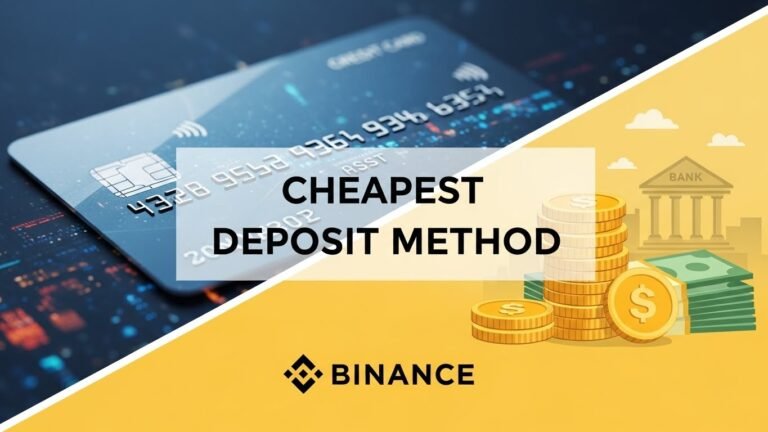
Many beginners start by buying crypto directly with a credit/debit card. Warning: While fast, this method incurs additional card fees (often 2%-4% or more). To avoid this, always fund your account using a fiat bank transfer, which is usually much cheaper or free.
Hidden Cost 2: High Spread in the Convert Tool
The simple Convert Tool is easy, but it sometimes includes a slightly wider spread (the difference between the buy and sell price) than the professional Spot market. This means you might get a slightly less favorable exchange rate. For large trades, use the professional Spot trading interface to ensure the best price execution.
Hidden Cost 3: Withdrawal Fees (Don't Confuse Them!)
Remember: Binance Trading Fees (for buying/selling) are different from Withdrawal Fees (for moving crypto off the exchange). As covered in our other guide, you can avoid high withdrawal fees by choosing cheap networks like BEP-20 or TRC-20.
Conclusion: Master Your Fees, Maximize Your Profit
In summary, mastering Binance Trading Fees is simple: understand the Maker/Taker difference, always pay with BNB for 25% off, and avoid costly credit card deposits. By taking control of these costs, you maximize the efficiency of your trades.
Leave a Comment